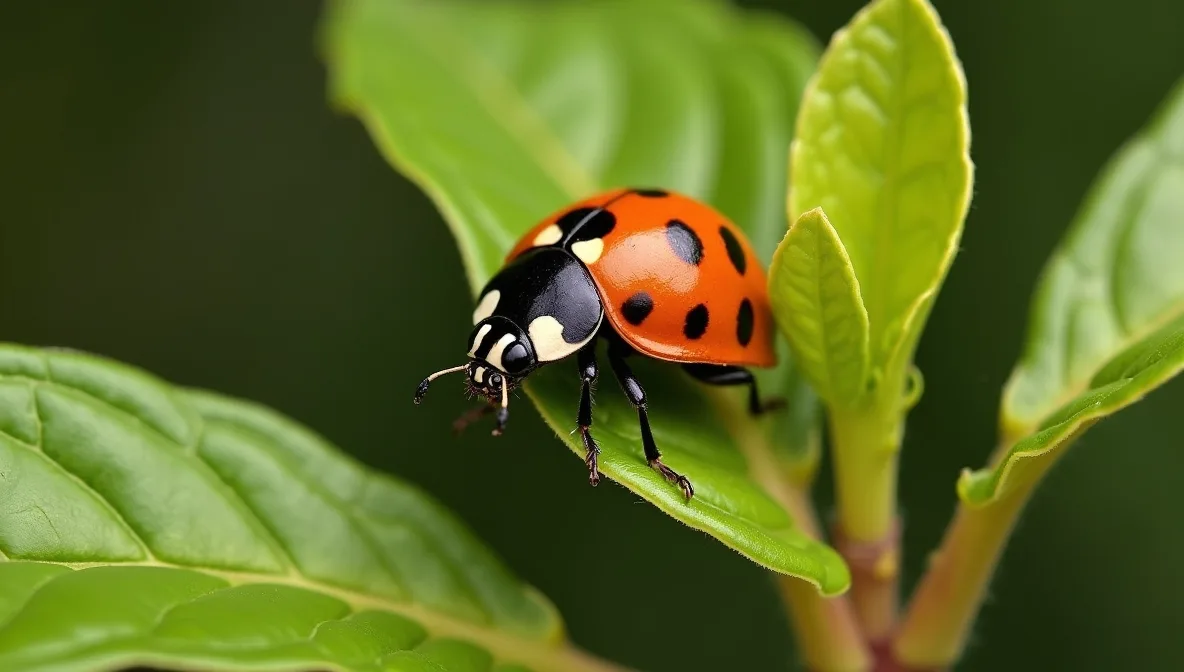
Let’s settle this. You see a cute, spotted beetle on your rose bush. You wonder, what do ladybugs eat? Leaves? Flowers? The answer is way more metal. These little polka-dotted tanks are voracious predators. They have a favorite food: aphids. Tiny, soft-bodied bugs that suck the life out of your plants.
A single ladybug can eat 50 aphids a day. Think of them as small, hungry knights in shining armor for your garden. But that’s not the whole story.
Let’s dig into the dirt. We’ll talk about their diet, if ladybugs bite, why people think ladybugs are good luck, and what it means when they swarm your windowsill each fall.
| Aspect | Details |
|---|---|
| Common Name | Ladybug or Ladybird Beetle |
| Scientific Family | Coccinellidae |
| Physical Appearance | Small, rounded beetles typically red, orange, or yellow with black spots |
| Average Size | Approximately 1 to 10 millimeters in length |
| Natural Habitat | Gardens, grasslands, forests, agricultural fields, and urban green spaces |
| Primary Diet | Aphids, mites, scale insects, and other small plant pests |
| Role in Nature | Helps control pest populations and supports ecological balance |
| Lifespan | Typically 1 to 2 years depending on environmental conditions |
| Defense Mechanism | Bright coloration and secretion of a bitter-tasting fluid when threatened |
| Global Distribution | Found on every continent except Antarctica |
The Ladybug’s Menu: It’s an All-You-Can-Eat Bug Buffet
Forget vegetarian. Ladybugs are carnivorous through and through. Their larval stage looks like a tiny, spiky, black and orange alligator. That baby is an eating machine.
Here’s what’s on the daily menu for most ladybug species:
- Aphids: The main course. These are green, black, or white sap-suckers. Ladybugs hunt them with precision.
- Scale Insects: Tiny, stubborn bugs that look like bumps on stems. Ladybugs pry them off.
- Mites: Microscopic pests that damage plants. Ladybug larvae vacuum them up.
- Mealybugs: Little white, cottony pests. A sweet treat.
- Insect Eggs: They’ll munch on the eggs of other pests, stopping problems before they start.
- Pollen & Nectar: This is the side salad. They eat it when prey is scarce. It’s not their favorite.
I once watched a ladybug larva on my kale plant. It was methodical. It moved from aphid to aphid, chomping each one. It left the leaf clean. No poison. No spray. Just natural pest control. That’s the power of understanding what ladybugs eat. You stop seeing a cute bug. You see a tiny guardian.
The Asian Lady Beetle Problem: A Case of Mistaken Identity
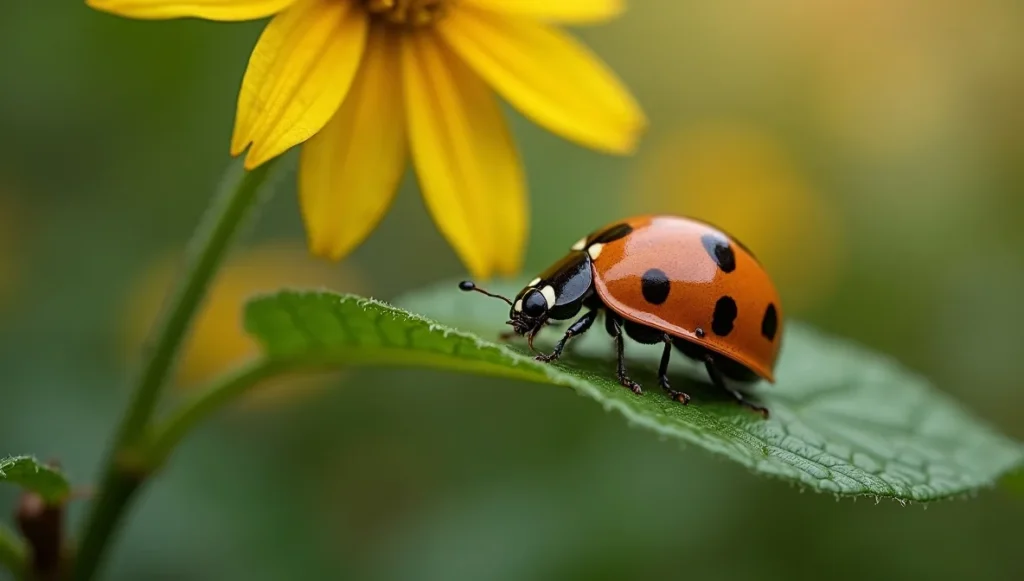
Not all spotted beetles are equal. The native North American ladybug is a friend. The Multicolored Asian Lady Beetle? A controversial cousin. It was imported to eat aphids in farms. It worked too well. It spread everywhere. These beetles are why people ask, “are orange ladybugs poisonous?” or “how to get rid of ladybugs?”
They look similar. Key differences? Asian types often have more spots. Their color ranges from orange to deep red. They have a white “M” or W-shaped mark behind their head. The biggest issue? Their behavior. Native ladybugs are solitary.
Asian beetles swarm by the thousands. In the fall, they seek warmth. They pile into your house through cracks. They stain walls with a yellow, smelly fluid. It is their reflex bleeding. It’s gross.
It’s why people panic and ask, “Are ladybugs poisonous?” To humans? No. But it can stain and cause mild irritation. It is the gritty, real-world flip side of the ladybug story.
Ladybug Life, Death, and Bites
So, how long do ladybugs live? From egg to adult, about one year. They spend most of it eating. The adult that hibernates through winter is often the one that lays eggs in spring. Then, it dies. It’s a short, hungry, purposeful life.
Now, the big question: can ladybugs bite? Yes. Do ladybugs bite often? Not really. They have mandibles for chewing insects. They don’t seek human blood. But if you handle one, and it feels threatened, it might give you a tiny pinch. It feels like a faint tickle. It rarely breaks skin.
The Asian beetle is more likely to do it. Its “bite” is a nervous nip. It’s not an attack. It’s a confused “let me go!” signal. Still, it shocks people. The myth of the biting ladybug comes from this less polite cousin.
Symbols, Luck, and Angel Signs: The Ladybug Lore
Why do we love them? It’s not just their pest control resume. The lore runs deep. In many cultures, ladybugs are good luck. Killing one is considered bad fortune. Farmers welcomed them for saving crops. Their name in many languages ties to divinity. “Lady” refers to the Virgin Mary.
So, what do ladybugs symbolize?
- Good Fortune: Finding one is a happy omen.
- Protection: They guard your plants.
- Love & Joy: Their bright color brings cheer.
Some believe a ladybug landing on you means a wish will come true. Others see them as a sign from angels—a little message of comfort from above. When you ask what ladybugs mean, you’re tapping into centuries of human storytelling. We took a useful bug and made it a fairy tale character. That’s powerful brand storytelling, nature’s version.
How to Live With (or Without) Ladybugs
Your relationship with ladybugs depends on context. Are they in your garden? Celebrate. In your attic? Not so much.
How to Attract the Good Ones
Want native ladybugs to patrol your yard? Give them what they need.
- Stop Using Pesticides: Sprays kill pests and their predators. It’s a lose-lose.
- Plant Pollen-Rich Flowers: They provide backup food. What flowers are good for attracting ladybugs? Try:
- Dill
- Fennel
- Calendula
- Marigolds
- Cosmos
- Provide Water: A shallow dish with stones for landing.
- Leave Some Aphids: It’s counterintuitive. But a few aphids on a sacrificial plant act as a dinner bell. It tells ladybugs, “Food is here!”
How to Gently Discourage the Swarmers
For Asian lady beetles invading your home, be gentle but firm.
- Seal Cracks: Caulk around windows, doors, and siding in late summer.
- Use a Vacuum: Suck up indoor swarms with a vacuum hose. Empty the bag outside immediately. Don’t crush them—that stain is awful.
- Deter with Scents: They dislike citronella, citrus, and bay leaves.
- Install Insect Lights: Yellow “bug” lights on exterior fixtures attract fewer of them.
Notice I didn’t say “exterminate.” They’re still beneficial insects. The goal is relocation, not annihilation.
Buying Bugs & Knowing Your Types
You can actually buy allies. Ladybugs for sale are a real thing. Garden centers sell containers of them, often Convergent Lady Beetles. Here’s the painful flop: most people release them wrong. They let them go at noon on a bare plant. The beetles fly straight away. Poof. Money gone.
If you buy them, do this:
- Release them at dusk. They’re less likely to fly.
- Water your plants first. They need a drink.
- Place them at the base of infested plants.
- Hope they stick around. It’s hit or miss.
It’s better to attract natives. Know your types of ladybugs. The Seven-Spotted Ladybug is the classic. The Two-Spotted is common. The Convergent Lady Beetle (with two white lines) is the one often sold. Spotting the differences turns you from a casual observer into a savvy gardener. It’s the difference between seeing “a red car” and seeing “a 1967 Ford Mustang.”
The Bottom Line on Our Spotted Friends
What do ladybugs eat? They eat the problems you don’t want in your garden. They are nature’s own pest control service, working for free. They are complex little beings. Symbols of luck. Occasional household nuisances. Tiny reminders of nature’s balance.
Next time you see one, look closer. Is it a native or an Asian cousin? Is it hunting or just resting? That simple question—what does it eat—opens a door. It leads to a world of natural cycles, human myths, and practical garden wisdom. Don’t just call it a ladybug. See it for what it is: a hungry, spotted, fascinating piece of the ecosystem. Maybe it is good luck after all.
FAQs About Ladybugs
Q: Are ladybugs poisonous to humans or pets?
A: No, ladybugs are not poisonous. However, Multicolored Asian Lady Beetles can release a foul-tasting, yellowish fluid (reflex bleeding) that can cause mild stomach upset if ingested by pets or stain surfaces.
Q: What is the best way to get rid of ladybugs inside my house?
A: The most effective method is prevention by sealing cracks. For existing bugs, gently vacuum them up and release the vacuum bag outside. Avoid crushing them to prevent stains and odor.
Q: How can I tell the difference between a good ladybug and a swarming type?
A: Look for the white “M” or W-shaped marking behind the head, common on swarming Asian Lady Beetles. Native species like the Seven-Spotted Ladybug have a more consistent red color and lack this mark.
Q: Is it true that seeing a ladybug is a sign from an angel?
A: In some spiritual beliefs, ladybugs are considered a sign from angels or a symbol of protection and comfort. It is a matter of personal belief and cultural tradition, not science.
Q: What should I plant if I want to attract ladybugs to my garden?
A: Plant pollen-rich flowers like dill, fennel, yarrow, calendula, and cosmos. These provide an alternative food source and attract adult ladybugs, encouraging them to stay and lay eggs where their aphid-eating larvae can thrive.
References:
- University of Kentucky College of Agriculture, Food and Environment: Entomology – Lady Beetles
- University of Minnesota Extension: Multicolored Asian lady beetle
- National Geographic Society: Ladybug Facts
- Smithsonian Institution: The Ladybug Love-In: A Guide to the Most Common Lady Beetles
- The Old Farmer’s Almanac: Ladybugs: Good for Your Garden
You may also like: Cowboys vs Commanders