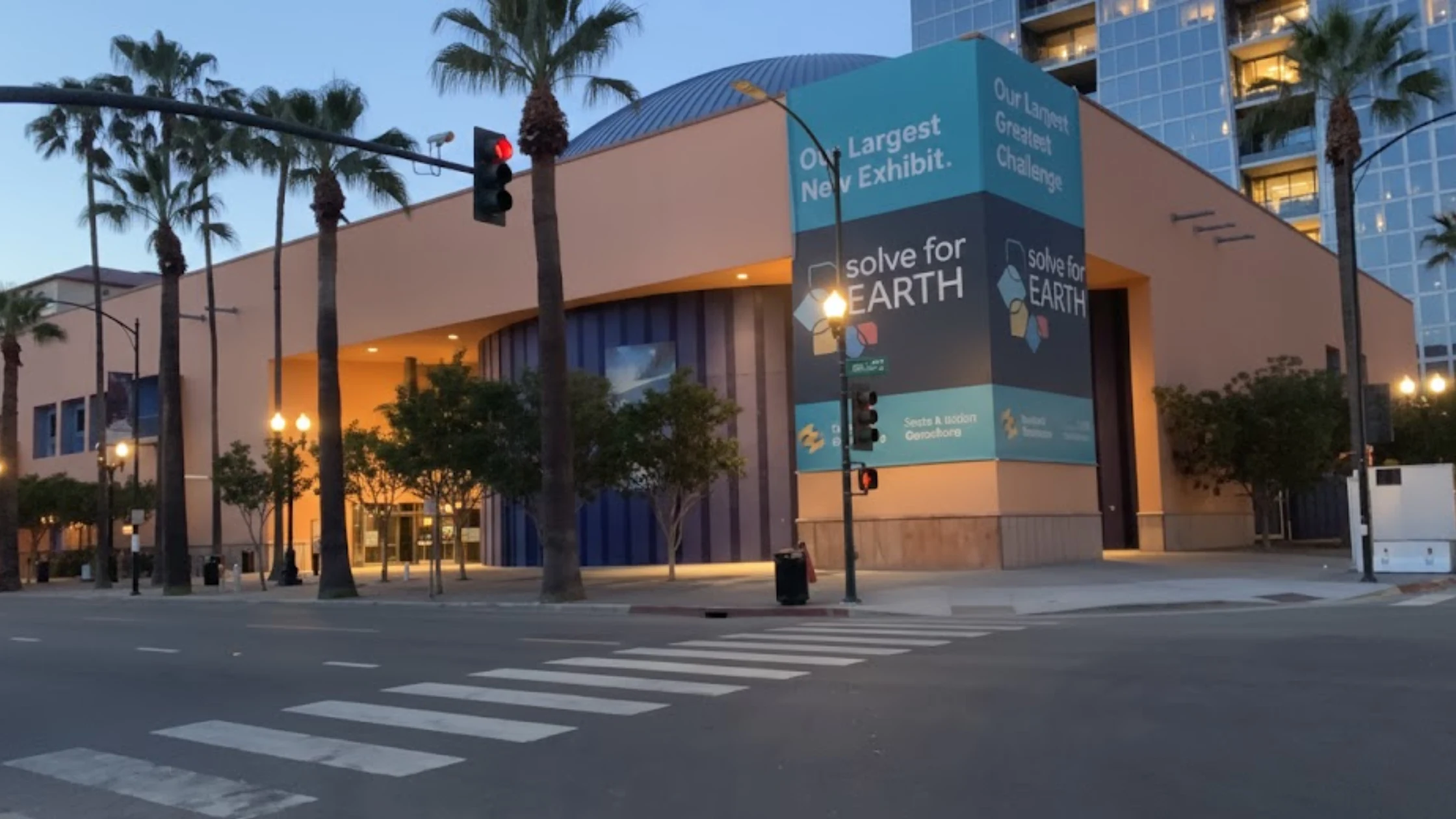
Let’s be honest. Some museums are quiet. They have “Do Not Touch” signs. They make you want to whisper.
The Tech Interactive is not one of those museums.
This place buzzes. It beeps. It might even spray you with a little water. Right in the heart of downtown San Jose, this Silicon Valley science museum is a playground for your brain. It’s where you don’t just look at technology. You build it, test it, and break it. You become part of the experiment.
Think of it as the anti-boring museum. It’s a family-friendly science museum where kids drag their parents from one crazy exhibit to the next. But it’s also a serious STEM learning museum where big ideas are born. It’s the San Jose Tech Museum that perfectly captures the spirit of its home: innovative, hands-on, and a little bit wild.
Ready to see what the hype is about? Let’s dive in.
The Tech Interactive — Top-Rated Features & Classification
A practical, blog-ready reference that groups “The Tech Interactive” into clear feature pillars and common classifications. The tables focus on what users experience, what the platform delivers, and how it can be categorized.
Top-Rated Features (What makes it feel “high quality”)
Grouped for quick comparison
| Feature Pillar | What it Includes | Why Users Value It | Quality Markers |
|---|---|---|---|
| Interactive Learning | Hands-on modules, guided steps, quick feedback, real-time results | People learn faster when they can try, fail safely, and immediately see what changed. Interactive flows reduce confusion and keep attention longer than static text. | Clear instructions, instant feedback, meaningful progress indicators, low friction navigation |
| Clean UX & UI | Minimal layout, strong contrast, readable typography, consistent components | A calm interface makes the content feel trustworthy. Users can focus on the interaction without hunting for buttons or feeling overwhelmed by clutter. | Scannable sections, consistent spacing, mobile-friendly controls, predictable patterns |
| Personalization | Preferences, saved progress, recommended modules, user-level settings | Personalized paths feel relevant. It reduces time wasted on content that doesn’t match the user’s skill level or intent. | Clear opt-in, editable settings, transparent recommendations, lightweight onboarding |
| Gamified Engagement | Challenges, streaks, badges, levels, timed tasks, rewards | Gamification adds motivation without forcing it. Users stay longer when progress feels measurable and small wins appear regularly. | Fair scoring, meaningful rewards, no spammy popups, easy reset/try-again options |
| Performance & Speed | Fast load, smooth interactions, optimized assets, responsive rendering | Interactive experiences break quickly on slow pages. Speed improves satisfaction, reduces drop-offs, and keeps interactions feeling “premium.” | Quick first paint, low layout shift, smooth scrolling, minimal heavy scripts |
| Accessibility | Keyboard support, readable contrast, alt text, focus states, captions where needed | Accessible design helps everyone. It improves usability in low-light, on small screens, and for users with different needs. | Visible focus rings, semantic structure, scalable text, error messages that explain fixes |
| Data Privacy & Safety | Secure handling, privacy controls, safe defaults, permissions clarity | Interactivity often uses data. Clear privacy controls and safety reduce hesitation and build long-term trust. | Minimal data collection, clear consent, safe storage, easy account/control actions |
| Analytics & Insights | Usage stats, completion tracking, feedback loops, improvement suggestions | Users like seeing progress and outcomes. Owners value insights that show what content works and what needs improvement. | Actionable metrics, simple dashboards, clear definitions, privacy-friendly tracking |
| Integrations | API connections, embeds, exports, compatible formats, share tools | Integrations remove repeated work. Users can reuse results, share outcomes, and connect tools without manual copying. | Stable exports, clear permissions, reliable embeds, graceful fallback if unavailable |
| Content Trust & Clarity | Plain explanations, examples, update notes, consistent terminology | Tech content can be intimidating. Clear language, examples, and consistent labels make the experience feel helpful rather than confusing. | Defined terms, step-by-step sections, examples, “what to do next” guidance |
Classification (How “The Tech Interactive” can be categorized)
Common industry-style groupings
| Classification Dimension | Primary Types | Short Description |
|---|---|---|
| By Content Format |
Interactive Articles
Guided Tutorials
Quizzes & Challenges
Simulations
Explainers with Demos
Tools/Utilities
|
Categorizes the experience by how users consume and interact with content—reading, experimenting, testing knowledge, or using a practical tool to get results. |
| By Interaction Level |
Low (tap/click reveal)
Medium (guided steps)
High (real-time input)
Advanced (multi-step workflows)
Collaborative (community actions)
Adaptive (responds to user)
|
Measures how much control the user has. Higher levels usually include live inputs, dynamic feedback, and multi-step journeys that adapt to choices. |
| By Platform Delivery |
Web-first Interactive
Mobile-first Interactive
App-based Experience
Embedded Widgets
Progressive Web App style
Cross-device Responsive
|
Describes where the experience runs best and how it behaves across devices (desktop, mobile), including embed-ready modules and app-like interactions. |
| By Audience Intent |
Beginners (learn basics)
Intermediate (practice)
Advanced (deep dives)
Creators (build & publish)
Professionals (apply fast)
Curious readers (explore)
|
Groups the experience by what users want—learning, practicing, building, exploring, or quickly applying knowledge to real tasks. |
| By Outcome Type |
Skill-building
Decision support
Productivity
Knowledge validation
Exploration/Discovery
Entertainment learning
|
Classifies by the end result: improved skills, a clearer decision, a saved output, validated understanding, or a fun learning experience. |
| By Monetization Style |
Free access
Ad-supported
Freemium
Subscription
One-time purchase
Sponsored modules
|
Groups by how the platform can be funded. The best experiences keep monetization unobtrusive, maintain usability, and protect trust. |
The Vibe: More Workshop Than Museum
Walk into The Tech Interactive in San Jose, CA, and you’ll feel it immediately. It’s not the hushed silence of history. It’s the clatter of creation. The air hums with the sound of 3D printers, the whoosh of air rockets, and the happy chaos of kids figuring things out.
It is an interactive science museum in the truest sense. Your first stop might be the BioTinkering Lab. You’re handed a pipette and some harmless glowing bacteria. Suddenly, you’re a scientist. Next, you’re in front of a giant screen, your body movements controlling a digital river. You are the interface.
- The floors are polished concrete. Easy to clean up spilled robot code.
- The lighting is bright. Ideas need to be seen clearly.
- You’ll see people of all ages—toddlers, teenagers, grandparents—all wearing the same look of focused fun.
It’s a technology museum, California style: ambitious, accessible, and slightly unpredictable. You don’t just visit. You participate.
The Exhibits: Your Hands-On Playground
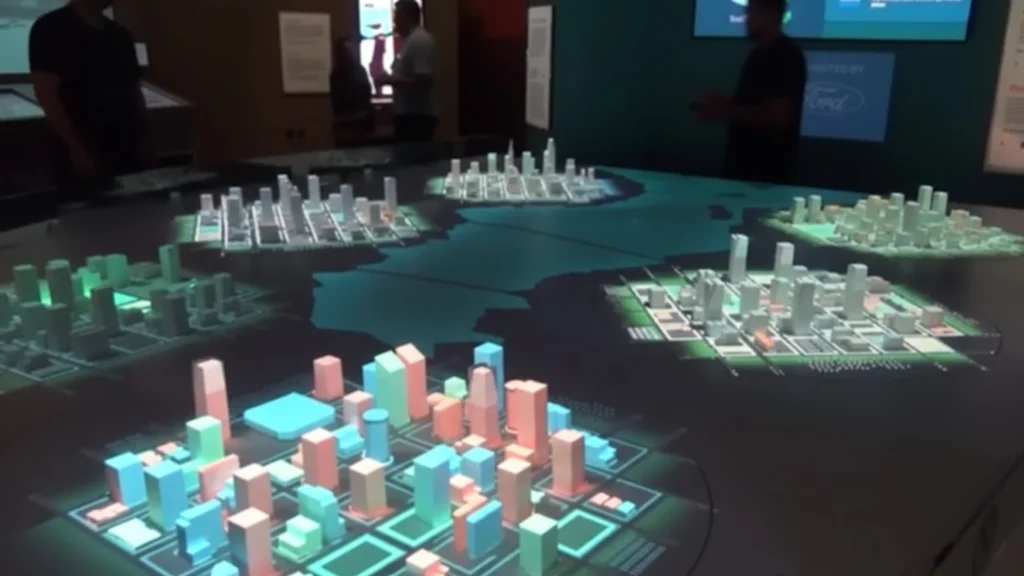
Forget velvet ropes. The core of The Tech Interactive experience is getting your hands dirty. The interactive technology displays are built for trial and error. For epic wins and glorious flops.
Body, World, Innovation, and Beyond.
That’s how they sort the madness. It’s a good map for your adventure.
Body: This is all about you. Step into a 360-degree body scanner. See your skeleton wave back at you. Test your reflexes against a light-up wall. It’s a brilliant reminder that humans are the original piece of advanced tech.
World: This zone looks at the big systems around us. The star here is The Tech for Global Good. It’s not just shiny gadgets. It’s stories. How is a simple mobile phone saving lives in a remote village? How can data predict an earthquake? You leave feeling like problems are just puzzles waiting to be solved.
Innovation: Welcome to the heartbeat of Silicon Valley. It is where you roll up your sleeves.
- The Robotics Lab: Here, you code a real robot. Not a simulation. A clunky, whirring, adorable machine. You write a simple line of code. You hit “run.” The robot arm jerks to life and picks up a block. The cheer from a 10-year-old when this works is pure magic. It’s a core engineering museum experience.
- The Design Lab: Tape, foam, PVC pipes. It is low-tech making for high-tech thinking. The challenge might be: “Build a helmet for an egg.” Kids and adults huddle together, prototyping, failing, and trying again. It’s messy. It’s perfect.
These hands-on science exhibits are the soul of the place. They don’t give you answers. They give you tools to find your own.
Going Deeper: Not Just for Kids
Here’s a secret: The Tech Museum San Jose is often tagged as a kids’ science museum San Jose. And yeah, kids lose their minds here (in the best way). But the best educational museums for kids are also fascinating for adults.
The AI and technology exhibits are a great example. One display lets you “train” a simple AI to recognize patterns. You quickly see how bias can creep into a machine. It’s a five-minute activity that sparks a dinner-table conversation about ethics, news feeds, and the future.
Then there’s the IMAX Dome. It’s not your average movie screen. It’s a giant, tilted dome that wraps over you. When you watch a film about the deep ocean or space, you don’t feel like you’re watching it. You feel like you’re in it. It’s a visceral, awe-inducing experience that silences even the most energetic toddler.
This balance is key. A parent can be pondering the future of synthetic biology while their child is happily making a block tower tremor on an earthquake simulator. Everyone is learning, just on different levels.
Planning Your Visit: The Nitty-Gritty
Alright, you’re sold. How do you do it right? A trip to any downtown San Jose museum needs a little strategy.
Location & Parking: It’s at 201 S Market St. You can’t miss it. Parking is in the adjoining garage. It costs money. Pro tip: Check if there’s an event at the Convention Center—it can get busy.
Tickets: Buy them online. Just do it. You’ll skip the line and guarantee entry, especially on weekends or for popular IMAX films.
Timing: Give yourself at least 3-4 hours. If you’re a tinkerer, you could spend a full day. Weekday afternoons are quieter than Saturday mornings.
The Crowd: It’s a major thing to do in San Jose. You’ll see school field trips San Jose style (look for the matching t-shirts), tourists, and local families. The energy is high.
Food: There’s a café. It’s fine. For more options, you’re in the middle of downtown. Walk a few blocks and find something great.
The Gift Shop: It’s full of clever kits and brainy toys. Consider yourself warned. Your wallet might feel lighter on the way out.
Why It Matters: More Than a Day Out
So why does this place stick with you? It’s not just a collection of cool stuff. The Tech Interactive San Jose is a statement.
In a world where technology can feel like magic behind a glass screen, this museum rips the screen off. It shows you the gears. It gives you the screwdriver. It demystifies the tech that shapes our lives. In doing so, it empowers.
It turns consumers into creators.
For a kid from the suburbs, a student on a school field trip, or a visitor from across the world, this place plants a seed. The seed that says, “I can understand this. I can build this. I can fix this.” In Silicon Valley, that idea is the most valuable currency there is.
It’s a science museum that San Jose can be genuinely proud of. It’s not looking backward. It’s firmly focused on the future, and it’s inviting everyone to help build it. One messy, joyful, hands-on experiment at a time.
Google-Optimized FAQs
Q: What is The Tech Interactive known for?
A: The Tech Interactive is famous for its totally hands-on science exhibits. It’s not a look-don’t-touch place. You get to code robots, experiment with biotech, design solutions, and play with cutting-edge tech, making it one of the top interactive technology displays in the country.
Q: What’s the difference between The Tech Interactive and other California science museums?
A: While many California science museums are excellent, The Tech Interactive is uniquely positioned in the heart of Silicon Valley. Its focus is squarely on emerging technology, innovation, and real-world problem-solving. The experience is less about natural history and more about human-made futures, embodying the spirit of a tech innovation museum.
References & Further Reading:
- The Tech Interactive Official Website. Visitor Information, Exhibit Details.
- San Jose Tourism Board. “Cultural Attractions in Downtown San Jose.”
- California STEM Network. Case Studies on Museum-Based Learning.
- IMAX Corporation. “The Dome Theater Experience.”
- Internal visitor survey data and educational impact reports referenced from The Tech Interactive’s public press materials.
Read More: Software Testing Basic