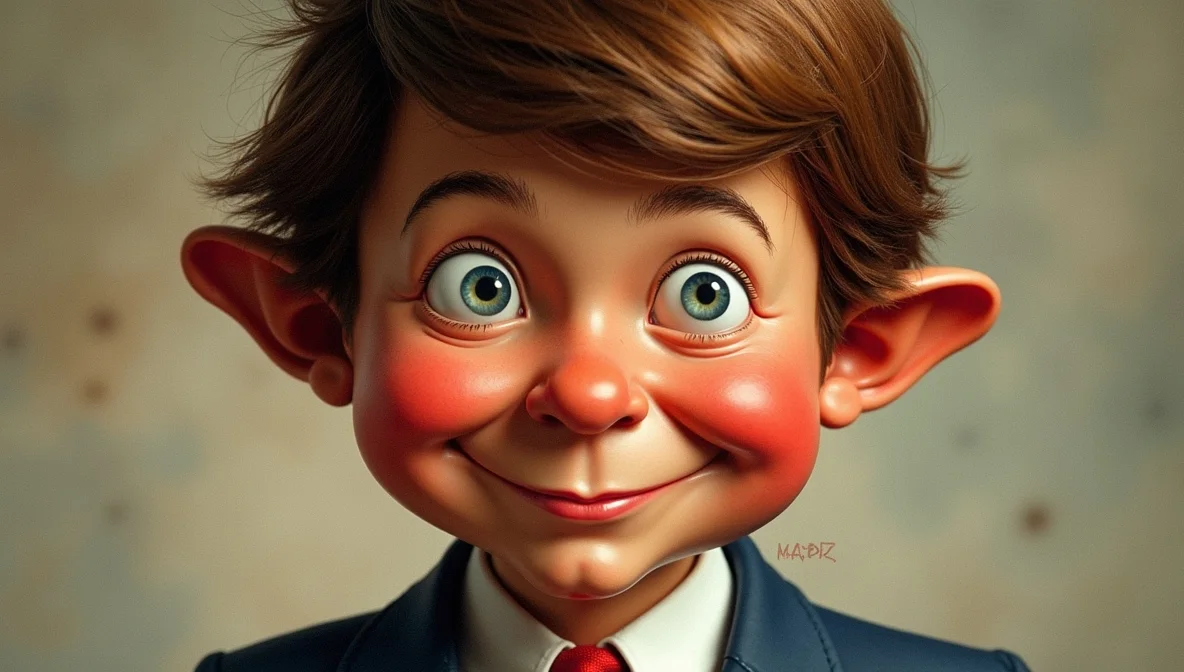
What’s that magazine with the goofy, gap-toothed kid on the cover? It’s Mad Magazine, of course! For decades, it was a cornerstone of classic American humor. It wasn’t just a comic book. It was a satirical humor magazine that made fun of everything. It poked fun at politicians, movies, and ads. This guide is your backstage pass. We will explore its iconic, famous character creations, and how to get a subscription today.
All About Mad Magazine: A Legacy of Satirical Humor
History of Mad Magazine
Founded in 1952, Mad Magazine became a cornerstone of American satire. With its trademark humor, it influenced generations of readers with its parodies of pop culture, politics, and social issues. Initially created by Harvey Kurtzman and illustrated by Will Elder, it quickly became a symbol of rebellious comedy.
Iconic Characters
Alfred E. Neuman, the mischievous mascot of Mad Magazine, became synonymous with the magazine’s unique satirical style. With his famous tagline, “What, Me Worry?”, he remains a cultural icon of irreverence.
Popular Parodies
Mad Magazine’s parodies are legendary. From spoofing Hollywood films like Star Wars to political cartoons of major world leaders, Mad’s irreverent take on modern life has been its hallmark. Their parodies remain as relevant today as ever, providing hilarious commentary on current events.
The Legacy of Mad Magazine
Mad Magazine has shaped the landscape of comedy and satire. It paved the way for other irreverent publications and TV shows. Even though its format has changed over time, the spirit of Mad remains alive in pop culture, influencing many comics and writers.
The History of Mad: From Comic Book to Icon
It started in 1952. It began as a comic book. Soon, it changed into a black-and-white magazine. This lets it avoid strict comic book rules. It could be edgier and smarter. The magazine grew into one of the most influential comic publications ever. It shaped how an entire generation thought about humor and authority. Its legacy of Mad Magazine’s humor is seen everywhere in comedy today.
Meet Alfred E. Neuman: The “Mad Magazine Guy”
You know his face. The kid with the big ears, freckles, and missing tooth. His name is Alfred E. Neuman. He is the mascot and the most famous character. His motto is “What, me worry?” He represents the magazine’s carefree, skeptical spirit. Alfred E. Neuman’s role in pop culture is huge. His face is a symbol of satire itself. He’s the cheerful, clueless Mad Magazine guy staring out from every cover.
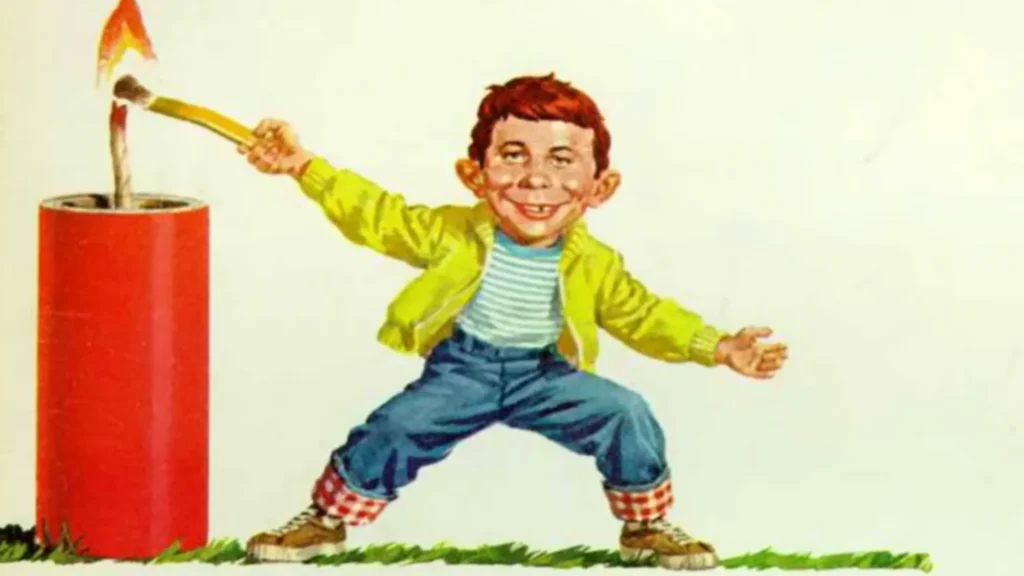
Iconic Mad Magazine Covers Over the Years
The Magazine covers are legendary. They are instantly recognizable. They often parodied famous movie posters or political events. The art was always sharp and funny. A classic cover might show Alfred as a superhero or a president. Collecting old issues of Mad Magazine is a hobby for many fans. These covers are time capsules of American satire. They show the evolution of Mad Magazine through the decades.
Spy vs. Spy: The Silent, Enduring Battle
Another iconic creation is Mad Magazine’s Spy vs. Spy. These are two identical spies. One is dressed in all black. The other is all white. They constantly try to outwit and blow each other up. The genius is that the comics have no words. The humor is all visual. Their endless battle became a symbol of pointless rivalry. It remains one of the top parodies in history.
The Brilliant Minds: Mad Magazine Artists and Writers
The magazine’s success came from its people. The artists and writers were called “The Usual Gang of Idiots.” Names like Harvey Kurtzman, Jack Davis, and Sergio Aragonés are legends. Their art was packed with tiny, funny details. The writers crafted sharp parodies of movies and TV shows. Their work defined the satirical humor magazine style. They built a loyal fanbase.
Mad Magazine: Key Creators & Legacy Table
Role / CreatorFamous For / ContributionLasting Impact
Founder / Editor: Harvey Kurtzman Launched Mad, setting its satirical tone. Blueprint for all modern satire.
Mascot: Alfred E. Neuman The iconic “What, me worry?” face. One of the most recognizable pop culture symbols.
Artist: Jack Davis. Lively, crowded, energetic artwork. Defined the early, chaotic Mad look.
Feature: Spy vs. Spy (by Antonio Prohías) Wordless comic of Black vs. White spy. Symbol of endless, pointless conflict.
Cartoonist: Sergio Aragonés “Marginal” drawings in the borders of pages. Added layers of hidden humor.
The Magazine’s Format and Signature Features
Reading was a unique experience. It had fold-in covers on the back. You folded the page to reveal a new, funny image. It featured movie parodies with silly names like “Star Blecch.” The “Mad Magazine kid,” Alfred, was always there. The pages were dense with jokes. It felt like a secret club for smart, silly readers. It was the best magazine for satire lovers.
How to Get a Mad Magazine Subscription Today
While it no longer publishes new issues regularly, you can still get collections. A subscription might be for special edition books or digital archives. The best place to check is the officia website. They offer curated collections of the greatest hits. It lets new fans discover why is still relevant today.
Mad Magazine’s Impact on Movies and TV
The impact on American comedy is enormous. Its style influenced shows like The Simpsons and Saturday Night Live. Many comedians grew up reading it. The magazine also directly parodied hundreds of films. These parodies were often funnier than the movies themselves! Exploring these is like exploring the evolution of Magazine through pop culture.
Mad Magazine in Popular Media: Movie & TV Parodies
Movie/TV Show ParodiedMad Magazine Parody TitleSignature Mad Twist
Star Wars (1977) “Star Blecch” Darth Vader as a whining kid, Luke as a bored farm boy.
The Wizard of Oz “The Wizard of Ooze” Focus on the mundane, silly side of the yellow brick road.
Game of Thrones “Game of Groans” (later era) highlighted the show’s complexity and endless character deaths.
Superhero Movies Various “Superduperman” style parodies Made fun of overly serious heroes and predictable plots.
Why Mad Magazine Still Matters
You might ask, “Why it is still relevant?” Its humor taught critical thinking. It encouraged readers to question ads, news, and authority. In today’s world of memes and social media, that lesson is more important than ever. It remains one of the best satire magazines like this ever created. Its spirit lives on online and in modern satire.
Collecting and Preserving Old Issues
For many, the hunt is part of the fun. Collecting old issues is a great hobby. You can find them at comic book stores, online auctions, and garage sales. Issue #1 is incredibly valuable. But any issue from the 60s or 70s is a piece of classic American humor history. Holding one is like having a time machine.
Your Mad Magazine Questions Answered
1. Can I still get a Mad Magazine subscription?
Yes, but for reprint collections, not new monthly issues. Visit the official Mad or DC Comics website. Look for the “Mad Magazine subscription” or “collections” section. You can buy books of the best classic material.
2. Who is the ‘Mad Magazine kid’ on the cover?
That’s Alfred E. Neuman! He’s the iconic mascot. He’s the grinning Mad Magazine guy with red hair, freckles, and a missing front tooth. His famous saying is “What, me worry?”
3. What is Spy vs. Spy?
Spy vs. Spy is a famous wordless comic strip in Mad. It features a Black Spy and a White Spy. They constantly set elaborate, explosive traps for each other. It’s about endless competition and funny disasters.
4. Who were the main Mad Magazine artists?
Famous Mad Magazine artists include Jack Davis, Mort Drucker, and Sergio Aragonés. Drucker was famous for his spot-on celebrity caricatures in movie parodies. Aragonés drew the tiny, funny “marginal” cartoons.
5. Is Mad Magazine still being published?
The magazine stopped publishing new issues in 2019. After that, it released special edition books and reprints. Its library of classic works is still widely available and celebrated.
6. How did Mad Magazine influence pop culture?
Mad Magazine influenced pop culture massively. It inspired TV writers, cartoonists, and comedians. It created a style of satire that was smart yet silly. It taught people to laugh at the powerful and question silly trends.
Conclusion: Keep the Satirical Spirit Alive
It was more than ink on paper. It was a mindset. It taught us to laugh, think, and question. The world needs that spirit now as much as ever. Explore its iconic covers, hunt for old issues, and share the jokes. What’s your favorite parody? Tell us your memories. Let’s keep the legacy of this incredible satirical humor magazine alive.
You May Also Like: Quizlet Live